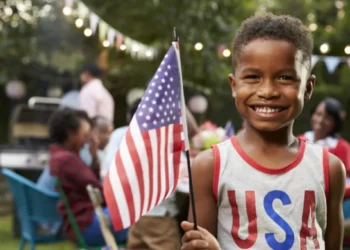
As Americans prepare to celebrate the nation’s 250th birthday this Fourth of July, millions of people will gather for backyard barbecues, picnics, parades and fireworks displays. Food safety experts say taking a few simple precautions can help ensure the holiday is remembered for the celebration and not foodborne illness.
Warm summer temperatures create ideal conditions for harmful bacteria to multiply, especially when food is left outdoors for extended periods. Proper handwashing, preventing cross-contamination and cooking foods to safe internal temperatures are among the most effective ways to reduce the risk of foodborne illness.
Safe grilling starts with the basics
The USDA recommends several simple steps to reduce the risk of foodborne illness during holiday cookouts:
Wash hands with soap and water for at least 20 seconds before and after handling raw meat, poultry or seafood.Preheat and clean the grill before cooking to remove residue from previous use.Keep raw and cooked foods separate by using different plates, utensils and cutting boards.Discard used marinades that have come into contact with raw meat instead of reusing them.
Cook foods to the proper temperature
A food thermometer is the only reliable way to determine whether meat has reached a safe internal temperature. Color alone is not a dependable indicator.
The USDA recommends cooking:
Ground meats to 160 degrees FWhole cuts of beef, pork, lamb and veal to 145 degrees F, followed by a three-minute restAll poultry to 165 degrees FFish to 145 degrees F
Keep hot foods hot and cold foods cold
Temperature control is especially important during outdoor celebrations.
Food safety experts recommend:
Refrigerating perishable foods within two hours of eating, or within one hour if outdoor temperatures exceed 90 degrees FKeeping cold foods at 40 degrees F or below in coolers packed with iceHolding hot foods at 140 degrees F or above until they are served
Shared serving bowls, condiment bottles and snack dishes can also spread bacteria if guests handle them with unwashed hands. Encourage children to wash their hands after playing outside or swimming before eating.
Watch out for higher-risk foods
Some popular Fourth of July foods carry a greater risk of foodborne illness if they are improperly prepared or stored. These include:
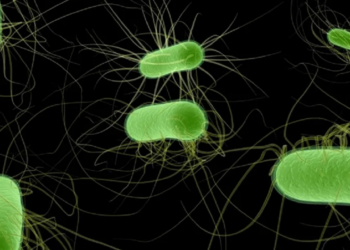
Raw or undercooked burgersHomemade foods made with raw eggsUnpasteurized milk or juiceRaw sproutsRaw shellfishRaw cookie dough or cake batter, because uncooked flour may contain harmful E. coli
Whether celebrating with family, friends or neighbors during America’s 250th Independence Day, following basic food safety practices can help keep the focus on good food, good company and a safe holiday.