

United Airlines’ cargo revenue increased 22.6% to $527 million in the second quarter as the carrier benefited from a sharp rise in air cargo rates related to disruptions from the Iran war and the strongest volumes since the Covid-fueled boom in 2020.
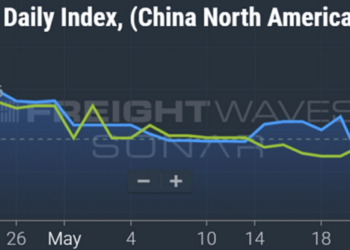
Global cargo demand grew 4% in the first half of the year and surged 7% in June, while capacity barely changed. But shipping space on aircraft fell more than 12% in the Middle East since the U.S.-led military campaign against Iran, as passenger and cargo airlines suspended or reduced operations due to ongoing war risks, putting upward pressure on prices. Those conditions pushed spot rates up 35% to 40% year over year in the previous two months. Since the start of hostilities on Feb. 28, the combined average of spot and contract rates has increased 17%.
And rates could go higher in the coming months after the United States and Iran broke their shaky ceasefire and began waging military strikes against each other in the Persian Gulf region. Xeneta now predicts rates in 2026 could be 5% to 15% higher than last year.
United Airlines (NASDAQ: UAL) transported nearly 347 million pounds of cargo during the quarter ended June 30, the most for the period since the pandemic disrupted supply chains in March 2020, according to financial results issued on Wednesday. United and other airlines responded at the time by deploying idle passenger aircraft as auxiliary cargo jets to help shippers remove manufacturing backlogs as ports, rail and trucking systems slowed to a trickle.
Among the commodities United hauled during the quarter were more than 9 million pounds of medical shipments and 232,000 pounds of military equipment.
Higher yields were the main contributor to the strong cargo performance, United said.
“Most of the gains in cargo were yield related, not volume related. I expect that to continue into Q3 as well,” said Chief Commercial Officer Andrew Nocella on a call with analysts.
Delta Air Lines last week reported second-quarter cargo revenue of $294 million, up 39% from the prior year period. For the first half, cargo revenue increased 24% to $521 million.
Overall, United raised its full-year earnings guidance after posting adjusted earnings of $1.99 per share, beating consensus expectations, and a 16% gain in revenue to $17.7 billion. Net income came in at $805 million, a drop of more than 17% versus the year-ago quarter after spending an extra $2.3 billion on fuel than previously expected because of the spike in jet fuel prices tied to decreased oil flows through the Strait of Hormuz.
Click here for more FreightWaves/American Shipper stories by Eric Kulisch.
Write to Eric Kulisch at ekulisch@freightwaves.com.
RELATED STORIES:
2026 air cargo rates could rise 15% due to Iran war impacts
EU crackdown on small parcel imports kicks in
The post High yields, Covid-like volumes drive 23% gain in United’s cargo revenue appeared first on FreightWaves.