


Health officials in Finland have declared that a major Salmonella outbreak has ended.
More than 100 people fell sick in 11 countries as part of the multi-country outbreak linked to alfalfa sprouted seeds from India.
In spring this year, Salmonella Bovismorbificans illnesses were detected in Finland. The cluster included 64 people, who were suspected to have been infected domestically. Of these, 37 have been confirmed to be caused by the same bacterial strain. Most cases were detected between March and May and a single case occurred in June.
Patients live in different parts of Finland. Those who fell ill range from 4 to 86 years old with an average age of 43, and 41 of them are women. Ten people were hospitalized. Two people died within 30 days of the infection being detected. Both cases had underlying health conditions, and one was receiving terminal care.
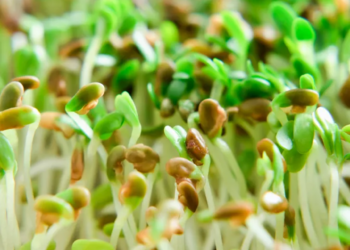
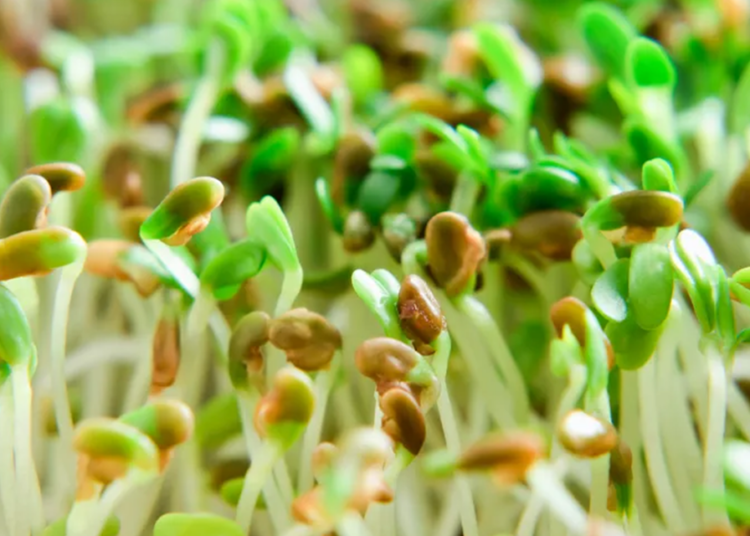
Most interviewed cases reported eating uncooked sprouts before falling ill. THL (Finnish Institute for Health and Welfare) and Ruokavirasto (the Finnish Food Authority) investigated the outbreak with help from healthcare and environmental health authorities from counties and municipalities.
The sprouts suspected of being the source of infection are no longer on the market, according to Ruokavirasto.
European impact
From 2023 to 2025, 700 to 800 Salmonella cases were reported annually to the National Infectious Diseases Register. In 2025, 712 infections were reported, including four Salmonella Bovismorbificans cases. So far this year, 380 Salmonella infections have been recorded.
People were also sick in Austria, Belgium, Czech Republic, Denmark, Germany, Ireland, Luxembourg, Spain, Netherlands, and the United Kingdom.
Alfalfa sprouts, and possibly other sprouted seeds, are the primary food vehicle in the multi-country outbreak, said the European Centre for Disease Prevention and Control (ECDC) and European Food Safety Authority (EFSA) in June. According to a Rapid Alert System for Food and Feed (RASFF) alert, the suspected sources were alfalfa seeds, clover seeds, broccoli seeds and radish seeds from Italy.
Epidemiological evidence identified alfalfa sprouted seeds from Italy as the primary vehicle of infection. Microbiological evidence included detection of the outbreak strain in water samples collected during alfalfa sprouted seed harvesting in the Netherlands and the UK.
Traceability work in Italy pointed to a common seed supplier in India. The outbreak strain is thought to have entered Europe in October 2025 via two alfalfa seed consignments, before being distributed across multiple countries.